
Fritz Hansen

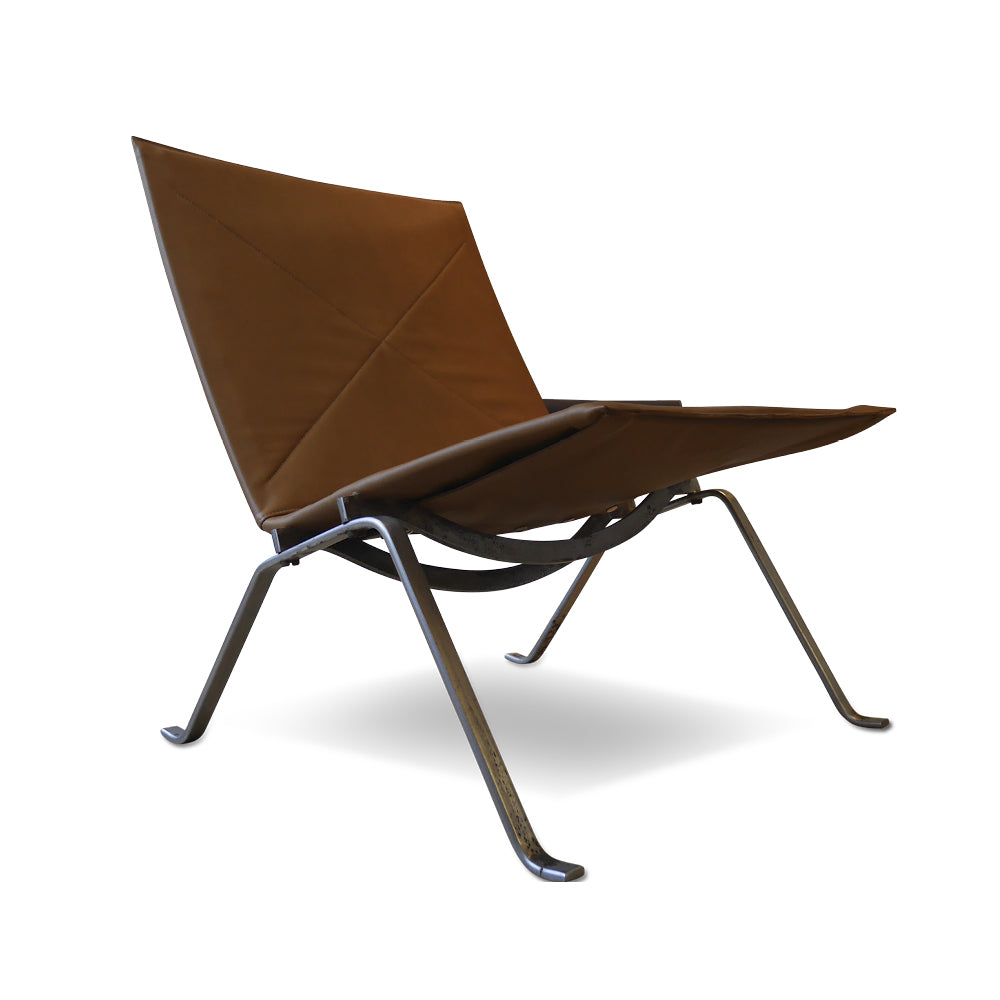
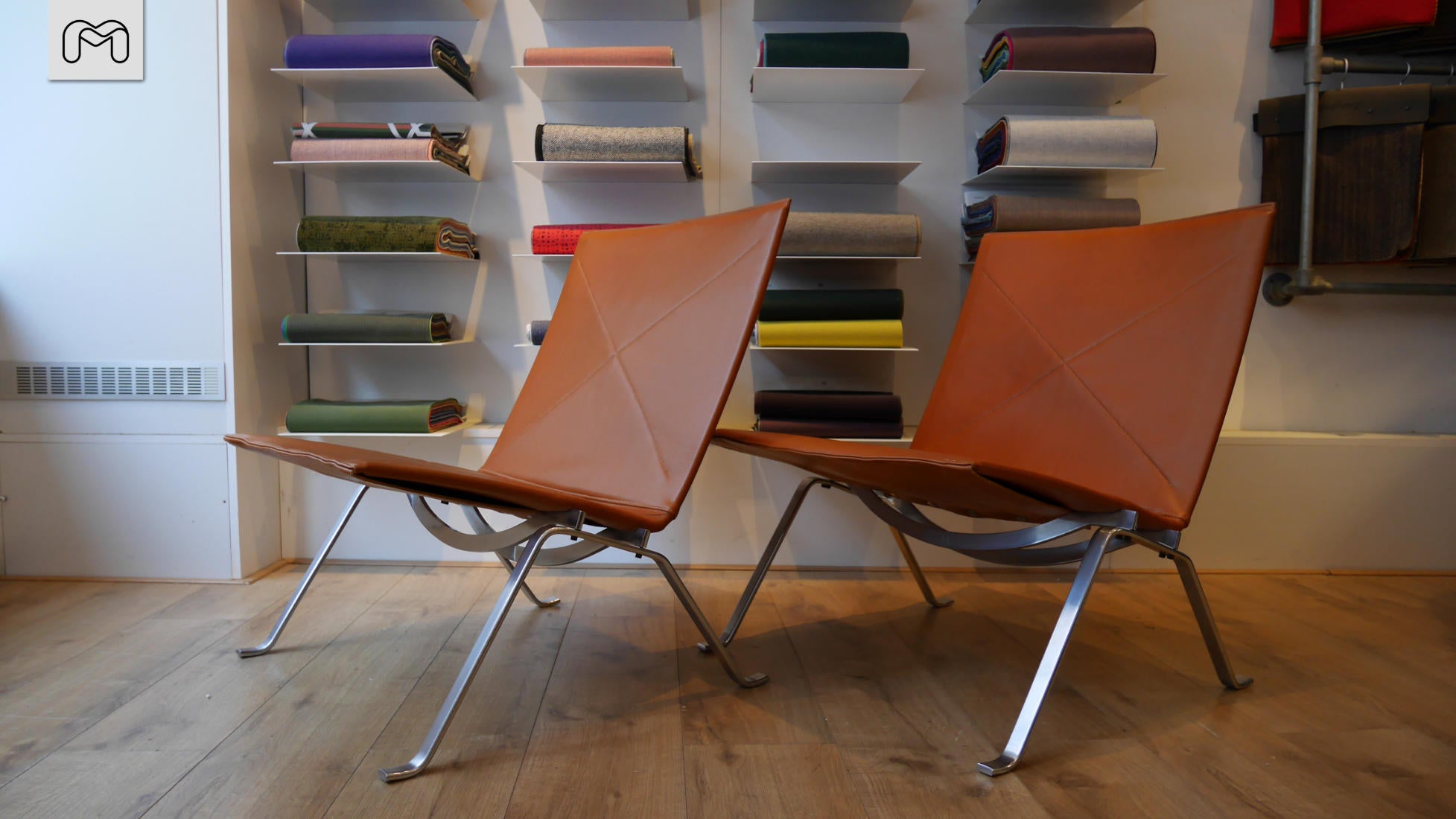
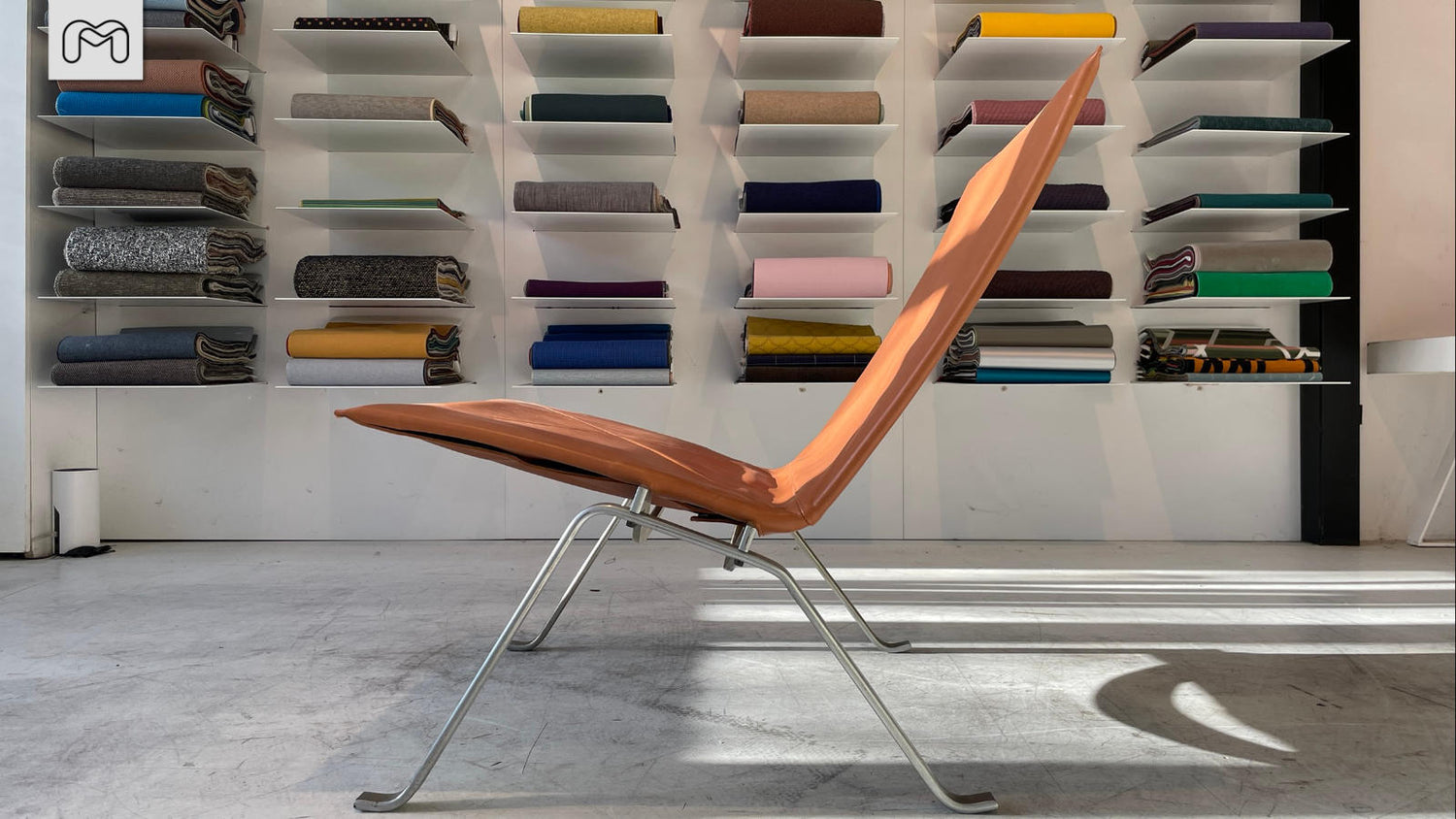
Kold Christensen / Fritz Hansen PK22 by Poul Kjearholm

Kold Christensen / Fritz Hansen PK22 van Poul Kjearholm

Poul Kjærholm

Born in 1929, Poul Kjærholm studied design and cabinetmaking before becoming a lecturer himself, eventually being appointed director of the Royal Danish Academy of Fine Arts in Copenhagen in 1976. Throughout his career, he designed furniture in a highly recognizable style, characterised by the use of steel and leather and intended for industrial production.

From 1955 onwards, he collaborated with furniture manufacturer E. Kold Christensen, and in 1970 his designs were acquired by Fritz Hansen. Poul Kjærholm passed away in 1980 in Hillerød, Denmark.
Construction

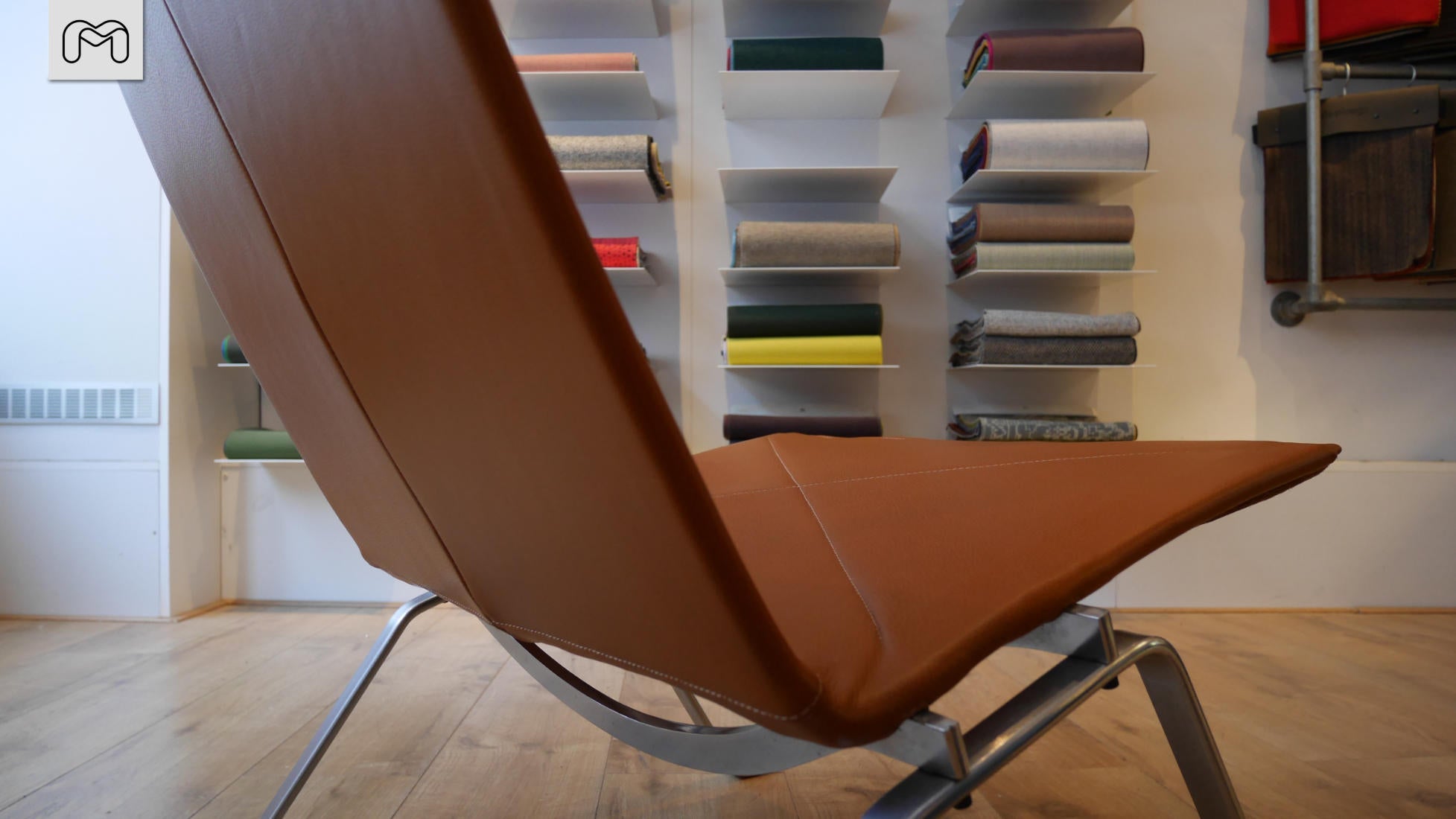
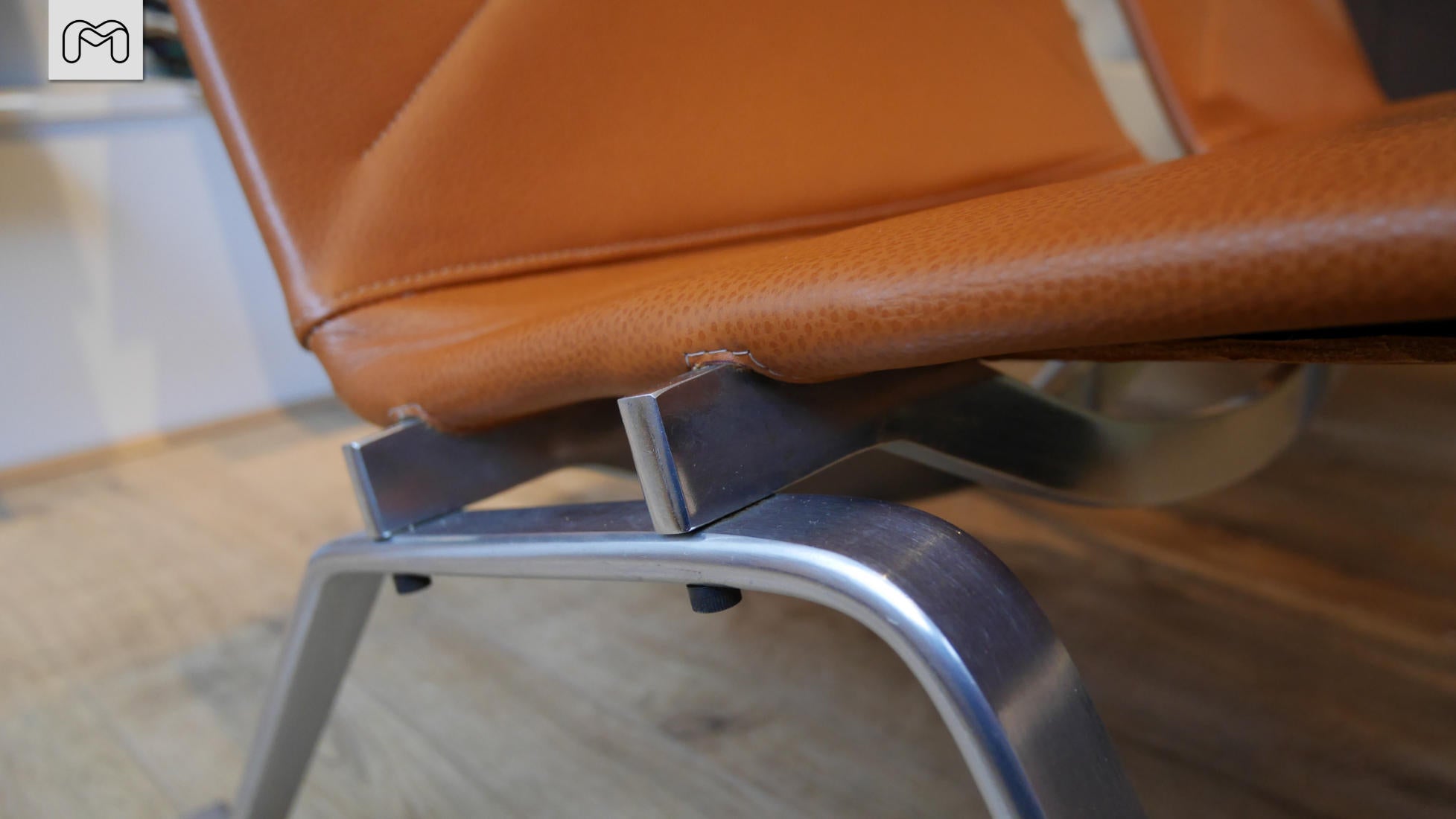
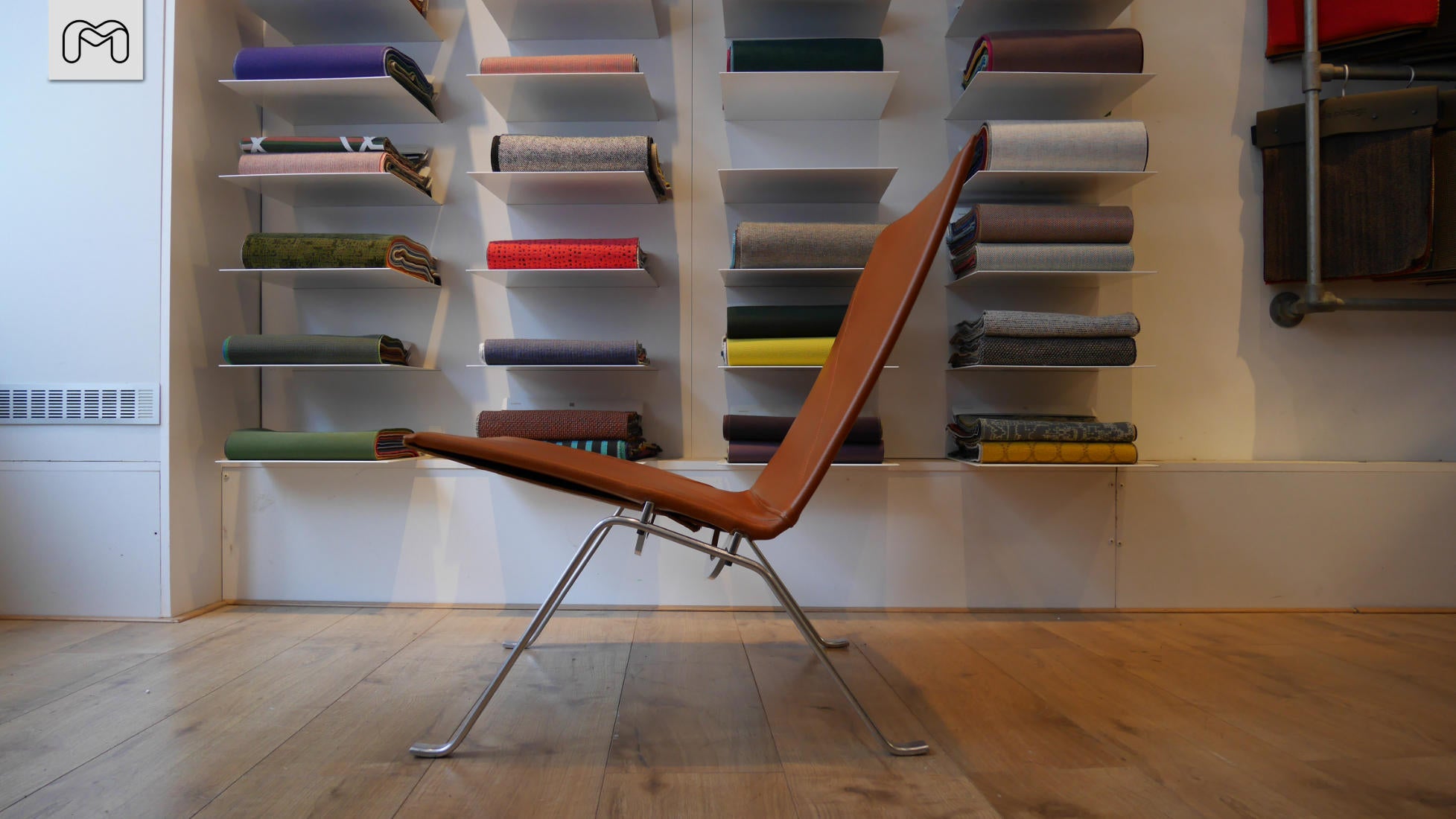
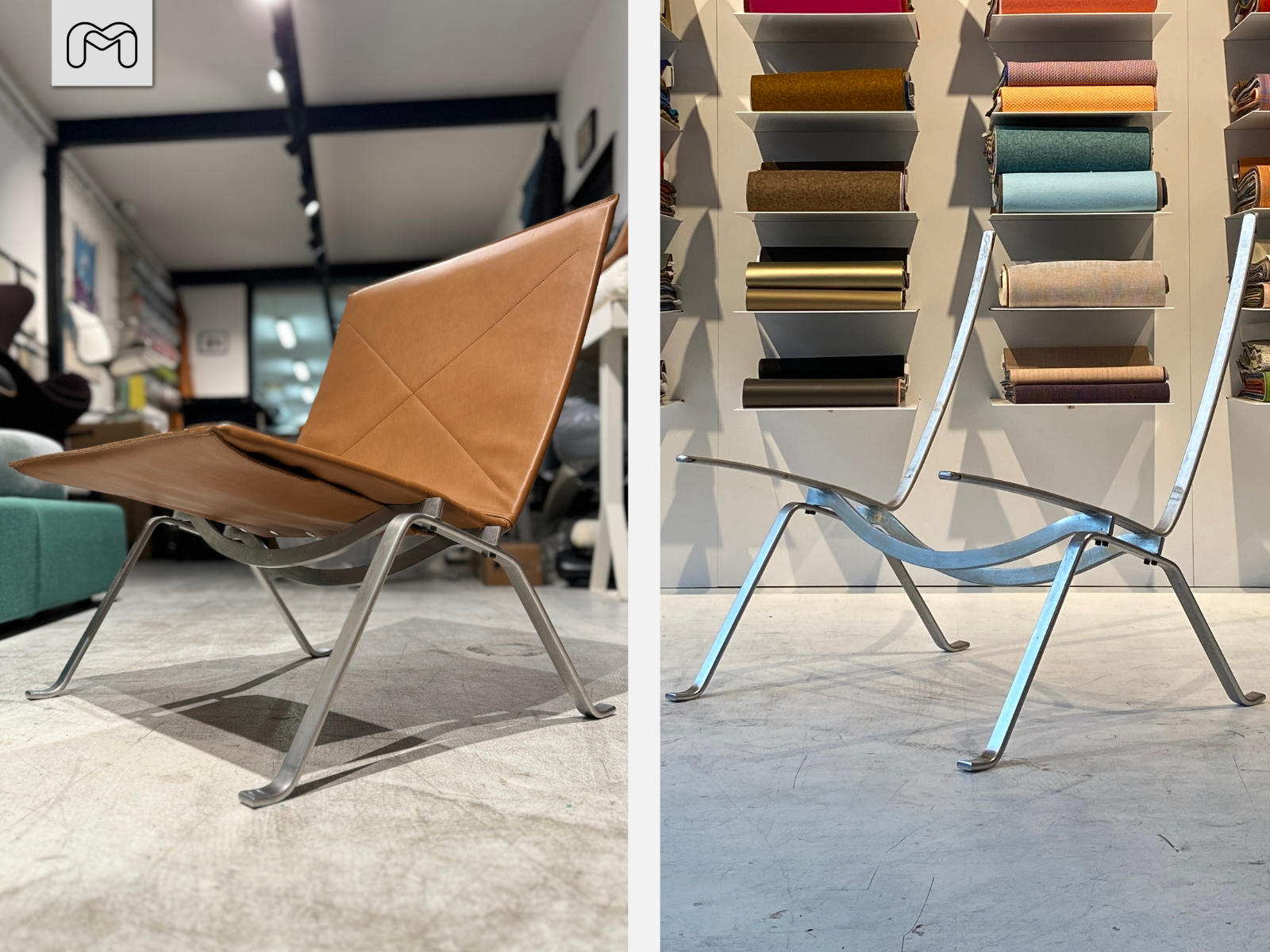
The Fritz Hansen PK22 consists of a single steel frame and two covers. The inner cover is made from a self-supporting material that provides the structural strength required for seating, while the outer cover is made from an upholstery material.

If it were up to Poul Kjærholm, this outer cover would preferably be crafted from a beautiful aniline leather.

Construction

The Fritz Hansen PK22 consists of a single steel frame and two covers. The inner cover is made from a self-supporting material that provides the structural strength required for seating, while the outer cover is made from an upholstery material.

If it were up to Poul Kjærholm, this outer cover would preferably be crafted from a beautiful aniline leather.

Kold Christensen or Fritz Hansen?

How can I tell whether I have a PK22 by Kold Christensen or Fritz Hansen?

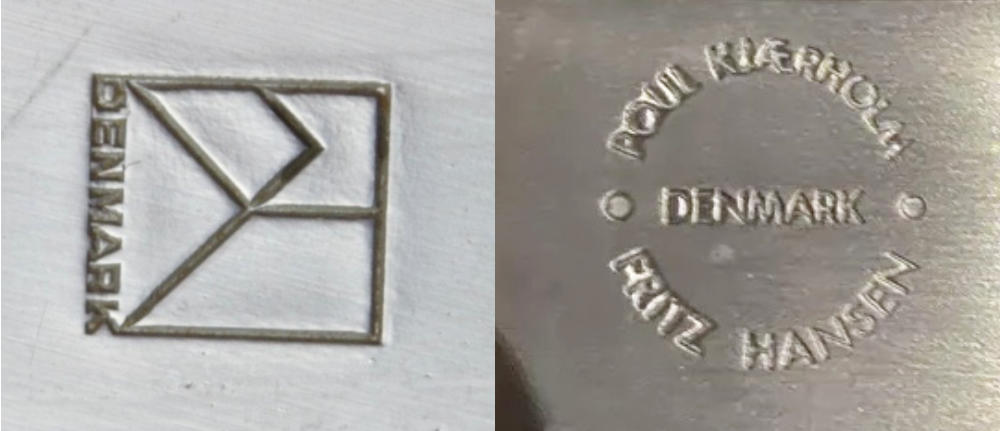
Both manufacturers engraved their logo into the steel frame, making it easy to identify which version you have.

Kold Christensen or Fritz Hansen?

How can I tell whether I have a PK22 by Kold Christensen or Fritz Hansen?

Both manufacturers engraved their logo into the steel frame, making it easy to identify which version you have.

Any other details?

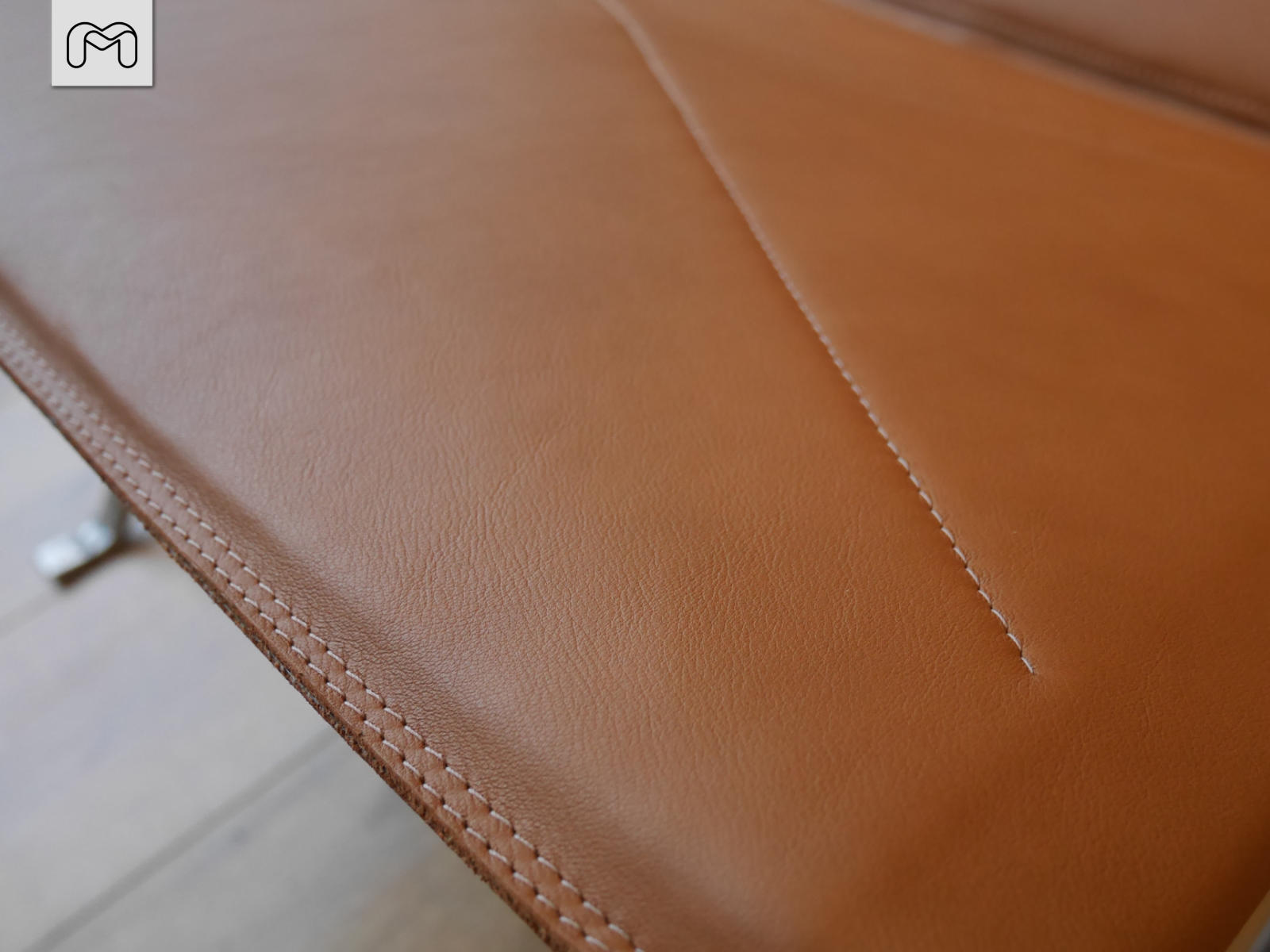
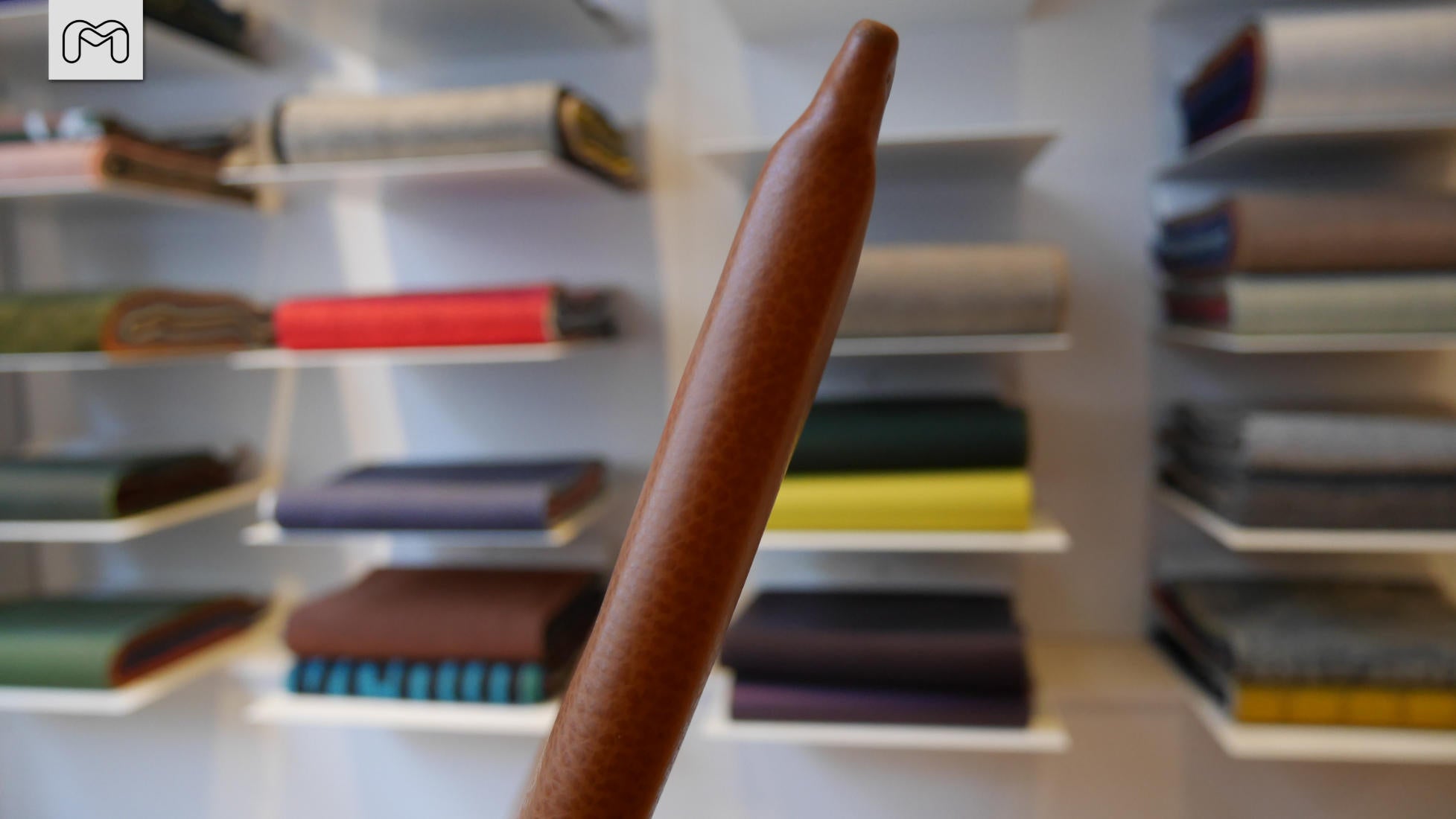
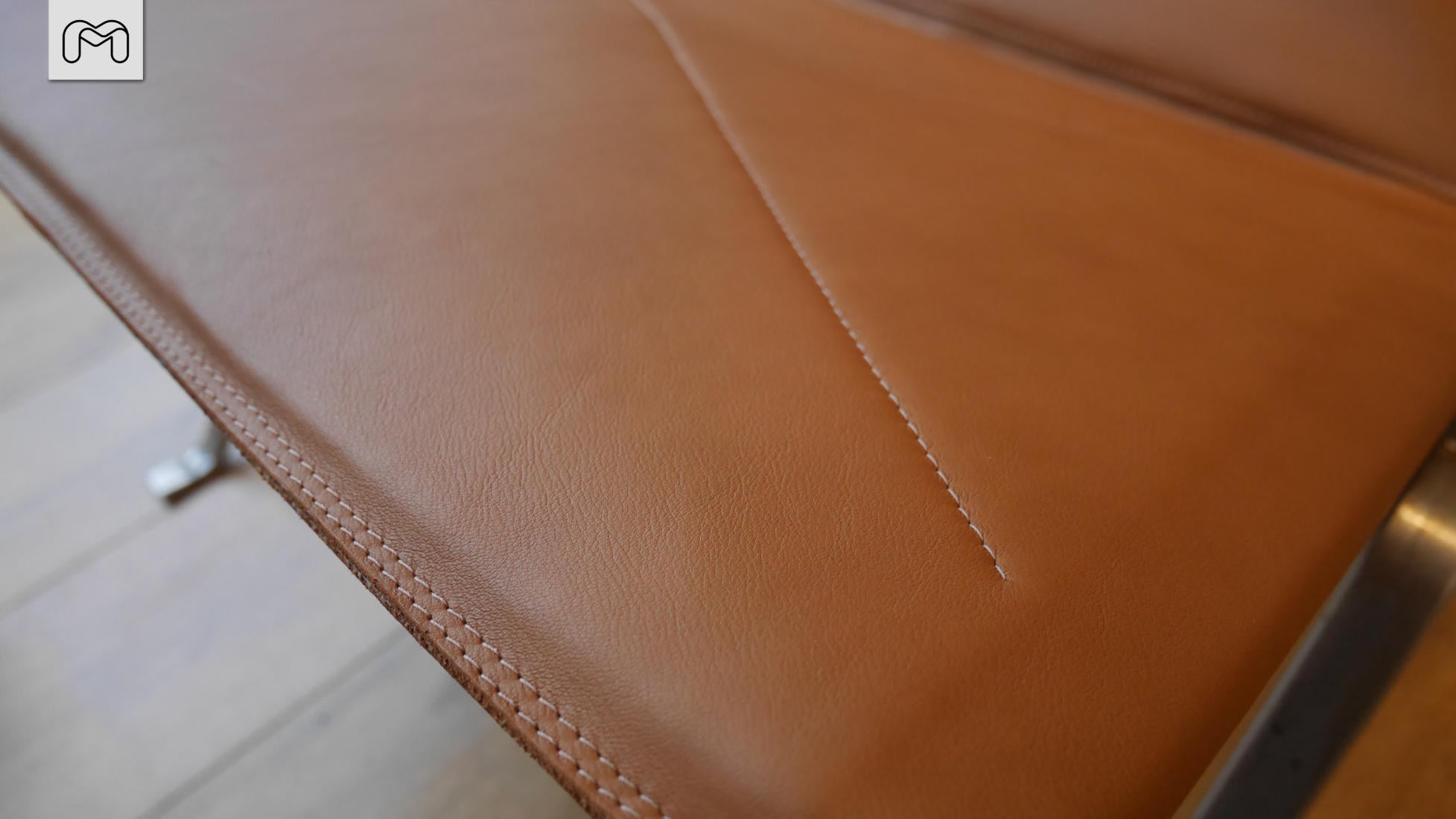
Yes, certainly — particularly in the finishing of the front edge of the seat and the top edge of the backrest.

Here, the cover is either folded inward and stitched once, or the leather is “cold-cut” through all layers, leaving the cut edge of the material visible. In the latter case, two decorative seams are added very closely alongside each other.

Any other details?

Yes, certainly — particularly in the finishing of the front edge of the seat and the top edge of the backrest.

Here, the cover is either folded inward and stitched once, or the leather is “cold-cut” through all layers, leaving the cut edge of the material visible. In the latter case, two decorative seams are added very closely alongside each other.

quote

Request a quotation below